The new Leopard Trail
Open now
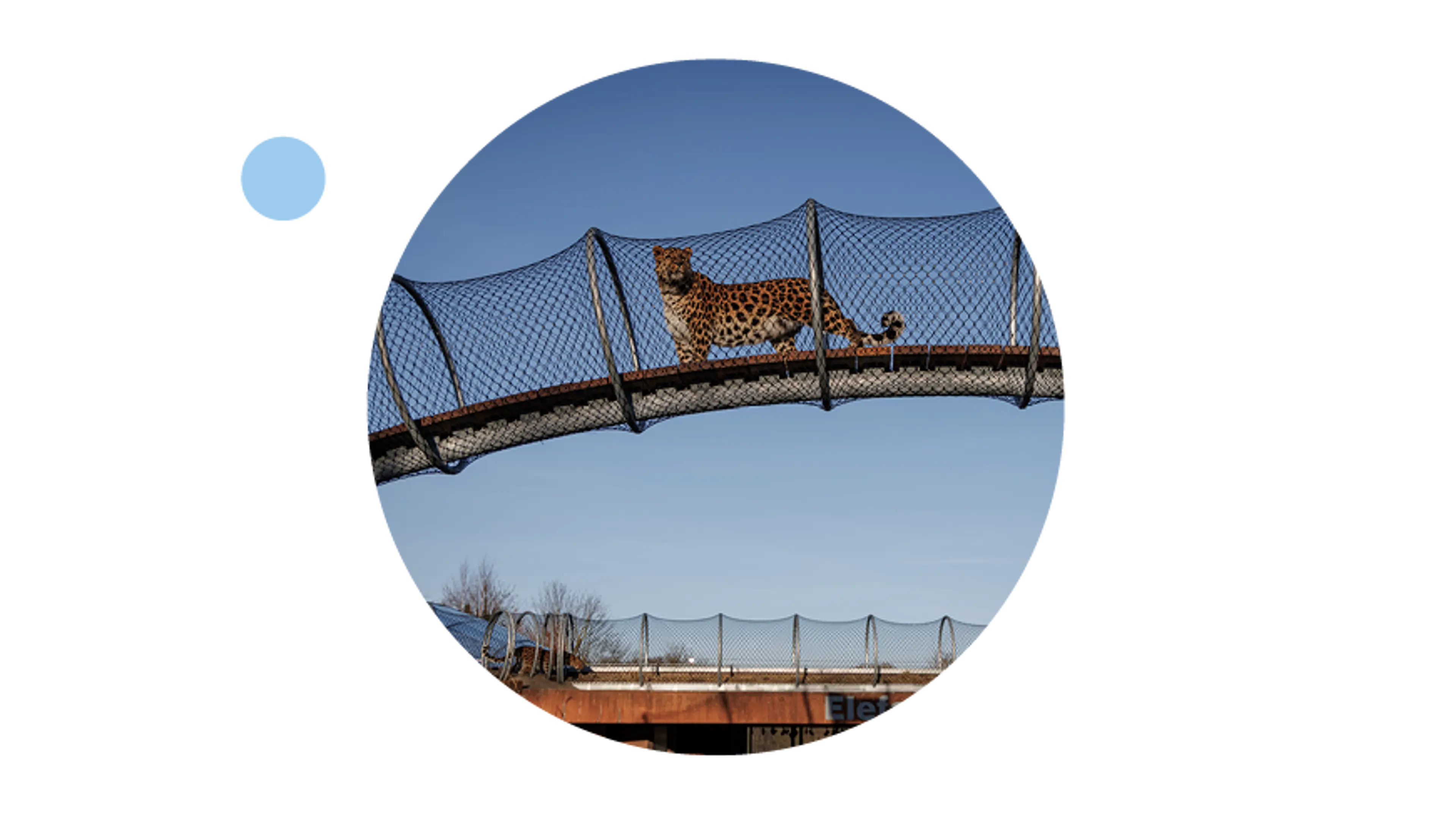
Experience the leopards in more places throughout the Zoo
160 metres of new movement for the leopards - and a new way to experience them.
From 18 March, you can watch the leopards explore their new 160-metre Leopard Trail at the Zoo.
The trail extends the existing leopard habitat and gives the leopards better opportunities to move and patrol, just as they would in the wild.
With the Leopard Trail, the leopards have a larger area to move through and you can encounter them in more places; by the Elephant House, by the Sea Lion habitat and by the giant pandas.
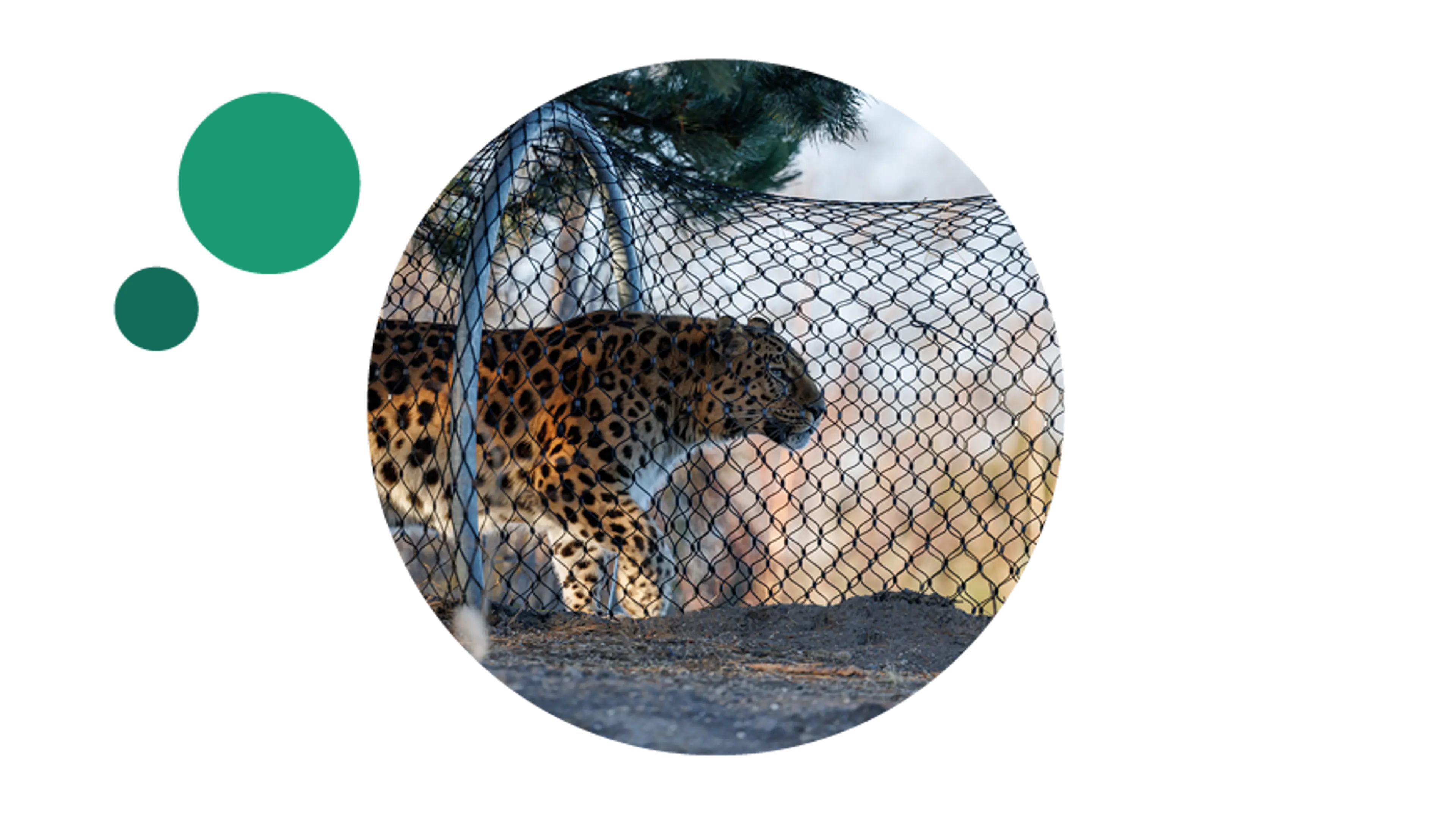
The Leopard Trail gives the leopards a larger territory with more lookout points and hiding places.
Here they can patrol, investigate new scents and sounds and use their surroundings in more varied ways - just as they would in nature.
Discover more about leopard behaviour
For those who want to know more
The Leopard Trail is developed to give the leopards greater variation in their daily lives.
As the trail winds through the Zoo, the leopards encounter new scents, sounds and visual impressions.
When leopards walk or rest
Both behaviours are natural.
Walking is part of how a leopard patrols and scent-marks its territory.
Resting can serve many functions, such as digesting, resting, cooling in the shade, warming in the sun or observing the surroundings.
Discover more about leopard behaviour
For those who want to know more
The Leopard Trail is designed to give the leopards greater variation in their daily lives.
As the trail winds through several areas of the Zoo, the leopards continuously encounter new scents, sounds and visual impressions.
When leopards walk or rest
Both behaviours are natural.
Walking can be part of how a leopard patrols, scent marks or investigates its territory.
Resting can also serve many functions such as digesting, sleeping, cooling in the shade, warming in the sun, or observing the surroundings.
Facts
- Opens 18 March 2026
- 160-metre Leopard Trail
- Construction cost: DKK 7,5 million
- Supported by Ingeniør Kaptajn Aage Nielsens Familiefond, Grete og Sigurd Pedersens Fond and SC Van Fond
- Includes a new Play and Learn route
Play, learning and conservation
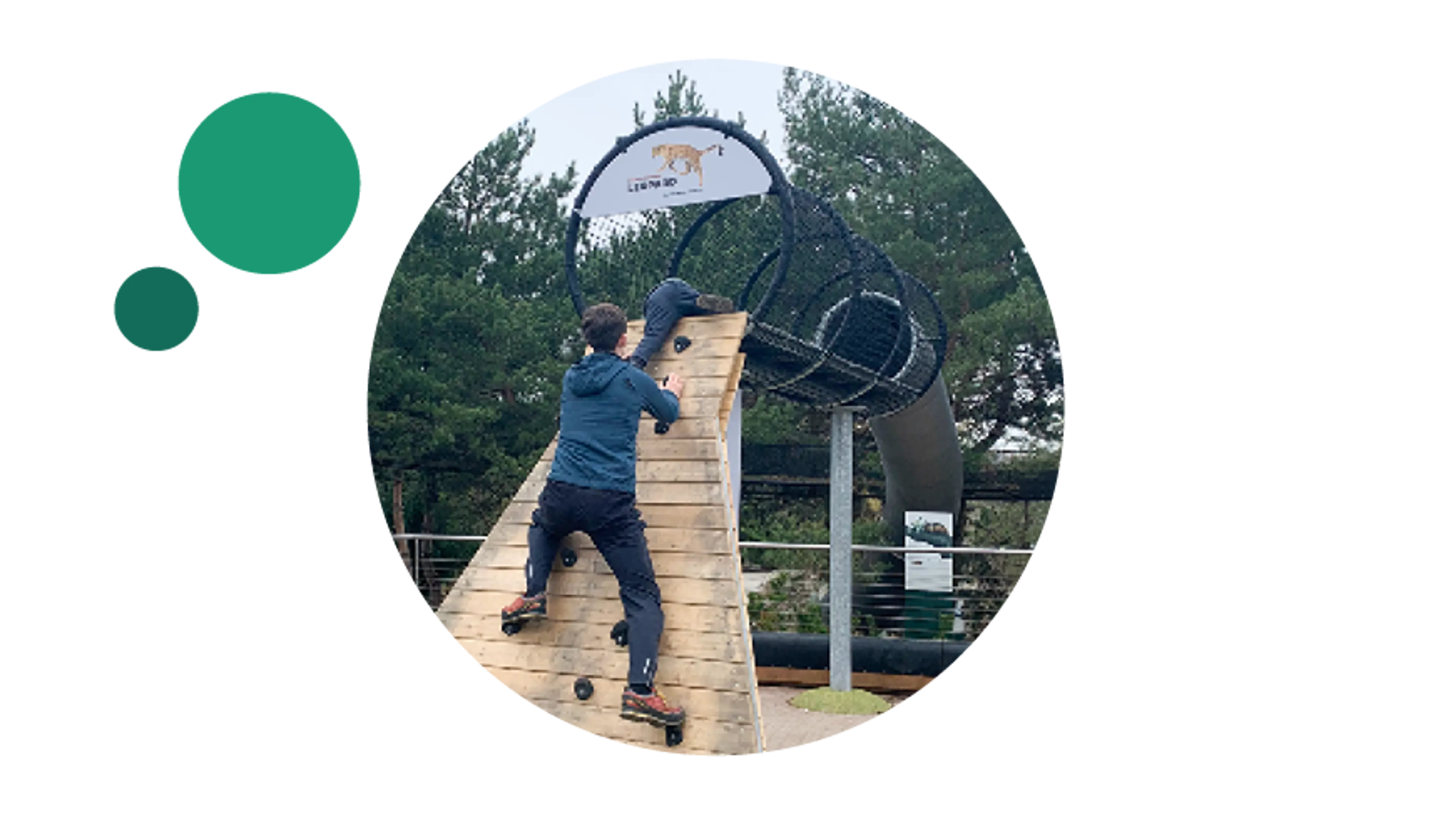
Play and Learn route for children
Along the Leopard Trail, a new Play and Learn route has been built where children can move.
Here children can try balancing, climbing and moving through different elements. It is about using the body, sensing the surroundings and finding the way.
One of the world’s most endangered predators
The Amur leopard is among the most endangered species in the world. Around 50 individuals remain in the wild.

When you visit Copenhagen Zoo you contribute to saving threatened animals and supporting conservation projects worldwide. The Zoo works with everything from reintroducing endangered amphibians in Denmark to combating illegal poaching of rhinos in South Africa.